290. The Fear Beneath Ambition: What Top Performers Won’t Admit

Have you ever noticed how much pressure there is to be the best?

To be number one.
The most successful.
The most visible.
The one who’s winning.

Sure! maybe on the outside, it looks like ambition.
Looks like you have a drive.
You have high standards.

But today, I want to talk about what often lives beneath the need to be number one.

Because underneath that desire, what I often see in women is actually fear. And it’s important to address these fears because it will keep you from reaching your potential!

LISTEN TO THE PODCAST

WATCH THE EPISODE

For so many high-achieving women, the fear isn’t failure.

It’s being overlooked.

It’s the quiet fear of:

  • Being forgotten

  • Being replaced

  • Being invisible

  • Doing meaningful and hard work… and having no one notice

So striving to be the best becomes a form of protection.

“If I’m the top performer, they can’t ignore me.”
“If I’m exceptional, I’ll be safe.”
“If I’m number one, I’ll finally matter.”

This is not about ego.
It’s about scarcity.

Scarcity tells us:
“There’s only room for one.”
“There’s not enough attention.”
“If someone else wins, I lose.”

Scarcity creates comparison.
Comparison creates urgency.
Urgency leads to exhaustion.

And suddenly, your work is no longer rooted in meaning,  it’s rooted in fear of losing.

Fear of falling behind.
Fear of not being chosen.
Fear of disappearing.

Fear of not being good enough. 

Fear of what others will think of you.

But here’s the truth that changed everything for me:

You don’t need to be the best to be valuable.
You need to be aligned.

Let’s talk about visibility.

Many women feel torn between wanting to be seen  and not wanting to perform for approval.

So we overcompensate.

We push ourselves harder.
We speak louder.
We chase metrics instead of meaning.

But visibility that requires you to give up yourself
will never feel satisfying in the long run.

Real confidence isn’t about being the loudest voice in the room.

It’s about trusting that your voice matters, even in stillnes, even if you are not #1

When you stop trying to outshine others,
you create space to stand firmly in your own work.

Doing Meaningful Work Without Needing Validation

What if your work didn’t need applause to be worthy?

What if impact mattered more than recognition?

When you stop needing validation:

  • You make braver choices

  • You take fewer shortcuts

  • You create from integrity, not urgency

You stop asking:
“Will this be impressive?”

And you start asking:
“Is this true?”
“Is this aligned?”
“Does this serve?”

And something powerful happens…

Your work becomes deeper.
Your energy becomes steadier.
Your confidence becomes unshakeable.

What You Gain When You Stop Trying to Be the Best

When you stop trying to be number one, you gain:

Peace.
No more constant comparison.

Clarity.
You know why you’re doing what you’re doing.

Longevity.
You stop burning yourself out to prove something.

Trust.
In your timing. In your path. In your voice.

You stop competing for attention
and start attracting the people who are meant for you.

Because the goal was never to be the best.

The goal was to be fully yourself, without fear.

A Gentle Reframe

Instead of asking:
“How do I become number one?”

Try asking:
“How do I do my work with honesty?”
“How do I show up without shrinking or forcing?”
“How do I lead with calm confidence instead of fear?”

Because when you release the need to be the best,
you create something far more powerful:

Sustainable confidence.
Meaningful impact.
And a sense of enoughness—right where you are.

If this episode resonated, I invite you to reflect:
Where in your life are you striving out of fear…
instead of grounded belief?

And what might open up
if you stopped trying to be the best
and simply allowed yourself to be true?

Thank you for being here.
I’ll talk to you in the next episode.

Learn more about Lucy's coaching:

289. From Big Tech to Startup CEO: The Self-Trust Shift Every Woman Needs with Anya Cheng

This episode explores how true confidence is built through self-trust, mindset shifts, and leading with belief, especially when titles, validation, and certainty fall away.

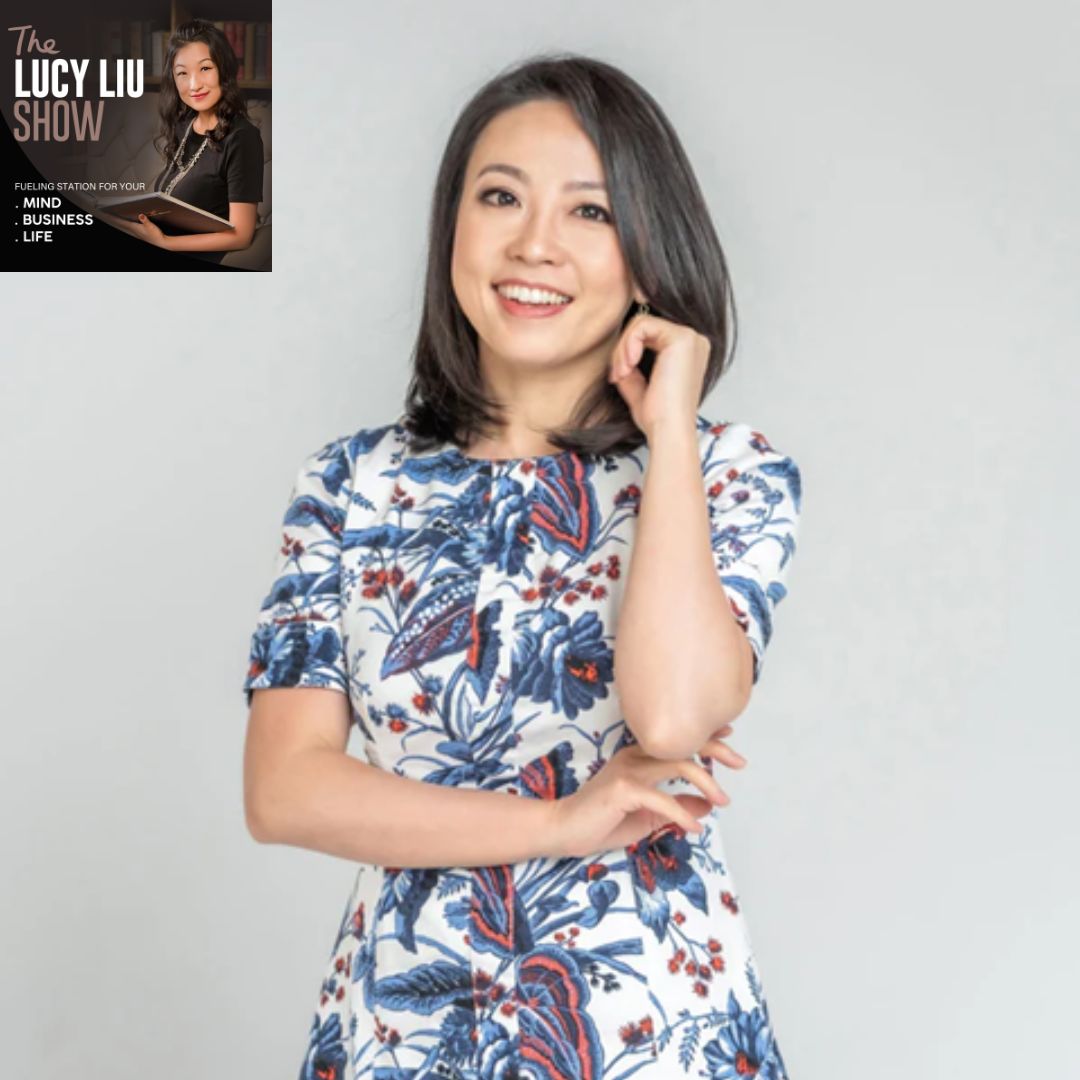
Guest Anya Cheng is the founder and CEO of Taeler, an AI platform that uses AI to help men choose outfits, and rent them. Having led teams at big brands such as Target, Facebook, eBay, McDonald’s, she’s a Mentor at ‘500 Startups’, Lecturer at Northwestern University, author and a TED speaker.

LISTEN TO THE PODCAST

WATCH THE EPISODE

289. From Big Tech to Startup CEO: The Self-Trust Shift Every Woman Needs with Anya Cheng

Connect with Anya Cheng

https://taelor.style


FULL EPISODE TRANSCRIPT

Hello, hello, beautiful souls. Welcome back to another episode on the Lucy Liu show. And I have a special guest with me today.

Anya Chan. She’s the founder and CEO of Taelor and AI platform that uses AI to help men choose outfits and rent them. Having led teams at big brands such as Target, Facebook, eBay, McDonald’s.

She’s a mentor at 500 startups lecture at Northwestern University author TEDx speaker. How amazing is that? Welcome to the show Anya.

Hello, hello, this is Anya. I’m here in San Francisco. I now run a company called Taelor AI.

So you’ve led all these teams at big brands, as you started your own company and got backed by VCs behind 20 plus unicorns. How has your definition of confidence evolved as you moved from a corporate leadership to a founder and CEO role?

I would say the confidence is up and down, right? So because when I work working for big tech companies, people tend to like to talk to you. When I have the Facebook business card, people say, Yeah, I want to do business with meta or with Instagram, where I want to, I want to apply for a job there seems that people always want to talk to you.

And throughout I’m an immigrant from Taiwan originally. So throughout the last 15 years, kind of starting from working for like no one heard of type of a magazine company all the way to meta and leading team. But then being a startup founders, the confidence was just gone.

Because when I became a startup founder, I’m a CEO of Taylor, which no one heard of before. So then when I go to meetings, or Chamber of Commerce networking events, people tend to talk to those big IPO founders and definitely not small startup owner. So I remember one time when I went on a startup competition, and I prepare ahead.

So I found four more two judges beforehand, I practiced mock interview pitch with them. So when I went on the competitions, my pitch was perfect. But right after the pitch, the judge asked me questions, la la la la la, and I was stunned.

I couldn’t answer any questions wasn’t because I didn’t know the answer. I did. I totally knew all of the answers.

But in my head, I didn’t believe that I could answer those questions. I was trying to find an answer. Yeah, this question practice judge number 37 asked me, and I answered it in appendix number two, I wrote down his answer, which was blah, blah, blah, let me think about what was the answer.

Of course, I lost the competition, which was $100,000 award. And because I didn’t believe in myself, I’m just a startup founder. What do I know?

That’s not true. I worked 15 years before and I think about this topic all day long, way more than anyone else for years. So after that, we lost the competition.

And it was a hot moment that I realized people don’t follow people with scripts, people follow leaders with opinion and trust themselves. So I switch your mindset and think again. And in the future, every time when I go on competitions, I try to make sure I’m present and really sincerely tell them my point of view, because I trust that people like to hear my point of view.

And that’s how we end up one another 11 award, including last year’s e-magazine Best Startup of the Year and the year before Business Journal Most Innovative Startup in Silicon Valley. So it’s all about mindset change and about the confidence.

I love how you mentioned self-trust, because having that self-trust in rooms where you may be underestimated at first, right? So what helped you gain more self-trust in those rooms?

Yeah, I think some techniques that someone told me before was that we tend to sometimes talk about that I should do ABC. So well, today I should exercise more, I should lose weight, I should start my new year resolutions, I should launch these new business departments and these new initiatives. We have a lot that we should.

And the more we say we should, the more negative that we feel about ourselves. Because yeah, you should, why are you not doing that? But it should be different because you can say, I would like to.

I would like to start this new year resolution. I would like to start learning this sport. I would like to start spending more time with my family.

I would like to. It’s become more positive. It’s more action-driven.

It’s that you are motivated to do so, not you are blind that you are not doing so. So I think this little tip really helped me to feel great. And I also think that the list of doing things wasn’t very helpful before.

When I have a long to-do list before, I would write down what I want to do and write down what I want to do. And the list becomes 1 and 3 and 10 and 11 and 100 and 200. And then you never look at the list.

Every time you open a list, you feel like the list was laughing at you. Like, why are you not finishing me? So you feel bad about yourself every day.

But what I do nowadays was in the morning, I just write down one or two things that I have to do for sure today. But everything else, just follow the flow. Time is limited.

You can never finish everything that you want to do. You are doing great as long as you are prioritizing your time for the stuff that matters to you. And everyone’s definition of matters is different.

Yes. And I love how you mentioned, even though after losing the competition, you didn’t give up. You signed up again and again for more competitions and eventually won all those awards.

But you know, you still win and sold after getting those awards. So what was the scariest decision that helped you get there?

I think the scariest decisions would be being a startup founder, right? But I would say, I won’t say scary decision, but I would say the mindset change is very important. For example, when I started being a founder, I feel like the world is not fair.

People only want to talk to IPO founder. People are, when they see your business card is CEO of Taelor. What is Taelor?

Oh, how do you spell it? T-A-E-L-O-R. What does it do?

Oh, we do it for AI stylists. We do menswear rental subscriptions. And I feel like nobody cares.

But at that time, at first time, I feel like that’s bad. Why the world, everybody goes to talk to this big boss in those lunch meetings. Why people only talk, mostly when being invited to events, people ask you, how much revenue your company has?

So at the beginning, I feel sad about that. I feel like life is not fair. Only people who have a lot of money and very successful in the fields will be recognized and respected.

But then I quickly changed my mindset. I realized that it’s blessing. Because when I was working for big tech companies, Meta or eBay as a head of product, people talk to you.

And you don’t know if it’s because they truly respect you, they like you as a person, respect your opinion, they think you are a person with good integrity, or simply they just want to do business with your company. You don’t know. But now being a startup founder, you start to realize, hey, people do value your opinion.

And that’s why they partner with you. Our customers like that our stylists pick stuff for them, help them to look great, so then they get a job, get a date, close a deal. You are delivering value.

That’s why they engage with you. So it becomes a lot more clear who are nice person, want to help you, who really value your contributions, who really like you as a person, as a friend, versus who just want to use your big title to do something. So my mindset changed from just feel bad for the world, and feel sad about that, feel like I’m nobody again, why do I make decision to be a founder, I should be working for big tech company, to something that I realized that is actually a blessing.

Before when I got my Amazon package, they’re supposed to, they’re supposed to show up today. Why is half day late? But now being a startup founder, I knew the Amazon package showed up because 20 people work behind.

Our merchants talking to hundreds of vendors, find a great product. A buyer decide on a pricing after lots of a spreadsheet. Our engineers build out the software to track the systems.

Someone packing in a warehouse for you, putting on the tab. The post office pick up from the packaging from the warehouse. And then there’s shipping, someone driver driving in a rent, and trying to go home for their dinner.

And eventually they deliver to you, and here with another tracking back to the system. Lots of things behind, lots of hard work behind. I start becoming more appreciative for the world, and seeing more for the world.

And I think that’s the mindset change from sad to be feel that life is unfair, to feel appreciating those learnings, those opportunities, those be able to see quality people who truly want to help you and value the friendship. And I think there’s a mindset change that made me have an energy and motivation to continue on the journey.

Beautifully said. I love how you explained your mindset shift, because we as founders need that mindset shift at every level of our business.

Yeah, I think so. It’s not, no matter at what level, I think it’s never easy. I remember after being a startup founder, one time I talked to a reporter.

And as people know, a reporter is still pretty high up, even though the world has changed into being influencer or whatsoever. But still, it was a major media company reporter. So the reporter, we met in an event, she sent me questions for some interview, the questions were pretty long.

So I was trying to write down the answers for her. And I forgot. So it took me about a week that didn’t get back to her.

So she went back and talked to one of our investors and say, hey, she feel like I probably just feel like she’s not an investor. So I don’t care. So don’t even care to get back to her, which wasn’t the intention at all.

So I think that imposter syndrome happen in every level. Like even I were 15 years in career, leading teams and working for big tech companies, even the reporter, spending 15 years live and becoming a major key person for a major media company, it still happens. It happened a lot.

It happened to women. And it happened at any stage of the career or life where it happened to people becoming a mom becoming a new, different roles in a life changing environments. So I would say that the tip is, it’s hard.

I still experience that every day. I’m no in positions in tell people what to do. I’m sure Lucy had better answer.

But I would say sometimes you start with a small voice in your head say, you cannot do it. You cannot do it. I think the tip is that you shut it down before you become too loud.

Because if you don’t shut it down, you will become, you cannot do it. You cannot do it. So you just shut it down when it’s small, still small.

And then I would say go out a startup founder or even being an employee for any company, you probably look at your company like, oh, this is wrong. And that’s wrong. And we have this whole bunch of things to do.

We have this customer complaint, we have these returns. But when you go out in conference or events, when you start talking to people, many times you will realize you thought you haven’t improved much. But just like your kids, you’re like, hey, they haven’t grown up, you turn around, oh my god, when do you are you as high as I am?

When do you start eating two bowls of rice, right? So you actually because the change is small, but change is frequent. So you actually don’t know how far you have already gone until then you go out there and talk to people.

So I would say heads up and start going out and talk to people you’re right, you realize there are a lot more people worse than you and you are actually doing really good.

Great reminder as a mentor and lecturer, you lecture on marketing, but what’s a pattern you see with maybe students you’ve had? What do they struggle with the most in marketing?

I will say I’ll answer the question differently. I will say, first of all, in general, what are the good students? Who are the good students?

I found that very interesting in my 10 years of teaching that the best students tend to be the that with little objective, which is very, very different from the education back when I grew up in Taiwan. It’s all about you have a clear goal and you achieve this goal. But somehow when I’m teaching at Northwestern University, turn out the best students in the class were those who have full with curiosity.

They learn, they take this course, not because the course has high score, not because that, oh, now AI is trendy, let me take the AI class. Oh, two years ago, five years ago, the analytics trendy, let me take analytic class. Yes, there could be a little bit, people all like popular stuff, but even more so, they are truly curious about this.

I think that’s very, very different from my mindset or the education I got because it’s all about, okay, Anya, you should know about what? What is the most important? Memorizing these things is important.

But then the more I grew up, I realized that the best students were those who actually care more about why. So from what to be how to be why. They were just curious about things because it makes sense because if you are only tracing trends, oh, this is popular, I should do this.

By the time that you know about this, it’s too late. The entire world is going to do so. Yes, you should be open-minded, learning new technology and new things, but you were just chasing the trend and you are always two steps behind.

10 years ago, I was doing personalizations and analytics and people at that time say like, yeah, that’s probably most of the fancy stuff will be working for like Time Warner, those type of amazing traditional company because they really own and then CPG, selling shampoo on P&G Unilever is the coolest company in marketing. And then what do you want to do marketing technology? What does it mean?

Nobody cares. You shouldn’t care about this. But fast forward, now you see those companies where even Netflix acquired a traditional company now.

So if you are just following the trend, then you are one step behind. So I would say, also believe in what you like. When I was studying marketing at Northwestern University, we had three tracks that people, students can select.

One is data and one is branding, which both are very cool. And there’s one called like media management, which no one knows what it is. For some reason, I don’t even know why, but I just really like the media management.

People say, no, no, no, no, no. You have to pick data because you are international student. Only data can get a job.

And people say, no, no, no, no, no. You should at least try branding if your math is bad, which is totally not true for people who do marketing analytics, not about math. But you should at least do branding because at least there’s a core of marketing.

But for some reason, I just like media management. I started my career in media company. I found it fascinating in media industry.

I just love it. So I decided to go with it. And when I graduated, Lehman Brothers went bankruptcy.

There was no job anywhere. But eventually in the entire class of like Chinese students or Asian or Taiwanese students, there are about 20 of us. And eventually there were two people stayed from the Taiwanese cohort.

And one is me who studied media management. And probably I will say I was definitely not top in the class, definitely in the bottom.

Yeah. But that would not have happened had you chosen the given way, right? The popular way.

I love that.

It is what I love. You are already whatever, 30, 40, 25 years old. So you are supposed to do what?

I feel like there’s never that true. And so that’s what I learned a lot in that. So back to the question on the marketing side, I think marketing is end of day.

It’s all about solving people’s problems. So it’s not just about beautiful slogans. And it’s about understanding people’s problem and then address that.

Oh, you have this problem. You feel like you are getting out of a concert and couldn’t find some things that easily to help you to go home. How about try Uber?

Uber can get you even with a large amount of people outside. You don’t have to wait in the rain and then trying to find the next taxi on the street. It’s about understanding the pinpoint and communicate with people with relevant information.

Okay, thank you for your expertise. You mentioned networking events, right? And obviously, your company would not be successful today without getting backed by VCs.

So how can women build powerful networks so they get they can get what they want, whether that’s funding or marketing, or what it is that is they needed to grow their business?

I think a lot is just give or skim and then find people who really have common interests where you feel good chemistries together. For example, we are backed by Bling Capital, which is the Madness List’s best VC in the US, which means their performance for the investors is high and top 10 in the US. But how did I get this investment was because another, I talked to another founder, and I was trying to ask him to introduce his investor to me.

But in a conversation, I forgot. I talked to him, he does like security camera. And I shared with him about how we use AI to pick cloth format, how we send people for people to rent.

And he really loved the idea for sustainability that helps people to look great while also helping the world reduce future inventory. So we’re just a great conversation. And after that, I forgot about the investor thing.

I connect a whole bunch of potential clients to him. I used to work for Meta and help bring internet or connectivity to countries that didn’t have internet. So I spent a lot of time in Africa, where we usually have bodyguards.

So I connect a whole bunch of bodyguard companies to him, and he got those leads. So a month after he reached out back to me, he said, thank you so much for those amazing clients. By the way, what were you reaching me out for?

How can I be helpful? Oh, yeah, yeah, yeah, I wanted you to help me to connect to your investor. So with half an hour conversation, we got a million dollar from Bling Capital, which is early investor between behind Lyft and Instacart.

So I would say give a scam and help build our connections with just genuinely with people who appreciate your business and help them out.

Yeah, so help each other collaborate and really putting yourself out there because you actually first of all, you had to introduce your idea, right? And that takes courage. I love that.

So for the women listening who has bold ideas, but is hesitating or has some type of fear before leaping to their next big endeavor. What is one last thing you want them to hear today?

I think you have to be something that you really like, because being a startup founder is not like a job you can work for a year or two or three. It’s usually three, four years or more time of a journey. So you have to like the idea.

So I personally, for example, when I was working for Meta, I want to look great, but I feel I because I feel impossible syndrome and then large technology team, I came from marketing and data scientist background. So I started looking for options like subscription boxes out there, but you all have to require me to buy. They style me, but I have to buy before I can wear.

So I start renting clothes using company like Newly, Render Runway or more, which some of them make a 500 million per year. But then I realized I have to browse through 10,000, 100,000 Garmin and spend hours. So it was a hard moment that I realized the world has been designing for people who love fashions versus for people who are not into fashion, but just want to look good to achieve their goals.

For me, it was just so then I can get rid of my impossible syndrome because I feel like I looks ready every day when no one knows I’m freaking out behind. So when I doing research and realize a lot of people actually think like me, but a lot them hate shopping and laundry and they are mostly guy, single guy and sales guy. And throughout the career in the last 10 years, I have always been passionate to help people achieve their goals.

I published books, I have online courses and I share on social media just because I think since I came from blue collar family, a lot of people help me. So I want to help more people to achieve a goal and it kind of tied to the business that I’m doing that people can look great and dress like who they want to be. At the same time, I have a co-founder, she came from a background, she really, really into sustainability.

She grew up wanting to be a fashion designer, but end up she became an accountant because she also grew up in the Asian family who say, you should have be a finance person. So she loves sustainability and renting clothes actually helping to reduce, to help on address the issue that today 30% of clothes goes to landfill generating 10% of carbon emissions. So I think both of us have that something that we truly believe and that’s why we decided to start a company.

So for people who want to have a next big idea, you just have to do something that you do like, not something they feel like, oh, this we just can make a lot of money or this is trendy right now because it’s going to be a long journey. If you don’t love it, you’re going to hate it because you are going to spend a lot of time 24 seven to think about it.

Beautifully said. Well, thank you for being with us. Anya’s info is linked below.

So feel free to connect with her and check out her website. If you know a man who needs to rent some clothes.

Yeah, feel free to email me too. I’m my email is Anya. Anya at Taelor.ai
Learn more about Lucy's coaching:

288. Five 5 Signs You’re People Pleasing (Even If You’re Confident)

If you’re listening to this and wondering, “I’m confident. I have boundaries. I speak up, am I still people pleasing?”

Then this episode is for you because people pleasing doesn’t always look like saying yes to everything.
Sometimes, it looks like being high-performing, composed, and respected,  while quietly abandoning yourself.

Let’s talk about five subtle signs you may still be people pleasing, even if you’re successful and even if you’re confident.

LISTEN TO THE PODCAST

WATCH THE EPISODE

Sign #1: You Say “Yes” Quickly… Then Feel Heavy Later

You don’t say yes because you’re afraid.
You might be tell yourself:

  • “It’s not a big deal”

  • “I can handle it”

  • “I don’t want to create friction”

You say yes because you’re actually capable.

But later, maybe hours later or maybe days later, you feel irritated, resentful, or tired.

That heaviness is information.

It’s your body saying: That wasn’t a full on yes.

Confidence isn’t about saying yes easily.

It’s about giving yourself time to decide by not saying yes immediately all the time.

Sign #2: You Over-Explain When You Set Boundaries

You already know the importance of setting boundaries and you do set boundaries, but these boundaries come with a paragraph.

You justify.
You soften.
You explain your reasoning.

You do it because you don’t want anyone to feel uncomfortable.

But the truth is true confidence doesn’t need to be defended.

And boundaries don’t need a backstory.

When your boundary is followed by guilt or a long explanation,  that is people pleasing dressed up as professionalism.

Boundaries is not something you give to others telling them what to do, it is something tell others what you will be doing if they cross the line. 

Sign #3: You’re More Comfortable Being Needed Than Receiving

You’re the one others rely on.
You are the strong one.
You are the dependable one.

But when support is offered to you, you hesitate.

You downplay your needs.
You say, “I’m Ok I’m fine.”

People pleasing isn’t always about approval.
Sometimes it’s about identity.

If being “the one who has it all together” feels safer than being supported, that’s a pattern worthy of your awareness. Your identity is not tied to your ability to help others. It’s ok to also receive even as a strong successful confident woman. 

Sign #4: You Monitor the Room Before You Speak

You’re not silent, but you’re strategic.

You read the energy of others.
You sense what’s acceptable.
You adjust your tone so that you don’t come across as “too much”.

Great! That’s all emotional intelligence right there, yes, but it can also be self-editing at your own expense.

Confidence isn’t about dominating a room.

It’s about trusting that your presence does not need to be calibrated for approval at all.

Sign #5: You Feel Responsible for Other People’s Discomfort

When someone else is disappointed, tense, or unhappy, you feel it in your body.

You want to fix it.
Smooth it out.
Resolve it.

End it.

Even when you’ve done nothing wrong.

This is one of the most ingrained forms of people pleasing, especially for high-achieving women:
believing emotional harmony is your responsibility.

It’s not.

You can be kind without carrying what isn’t yours.

I’ve personally dealt with this one too myself alot but let me reassure you  it is not your responsibility to fix anyone else. 

And here’s the truth:

You can be confident and still be unlearning people pleasing.
You can be successful and still be refining your boundaries.
You can be calm, grounded, and respected, without overextending yourself.

This isn’t about becoming harder on yourself.
It’s about becoming more honest with yourself.

If what I said today resonated, take a breath and ask:
“Where am I being agreeable when I actually want to be more aligned?”

That question alone is an act of confidence.

 Don’t forget you are worthy! 

 I hope you’re inspired to try to be more YOU and worry less about what others think. 

I wish you well on your journey towards self-acceptance and self love.

Let me know which sign you find yourself struggling with and I’ll see you next week.

Learn more about Lucy's coaching:

287. Is There Work Life Balance in Life? with Chantell Preston

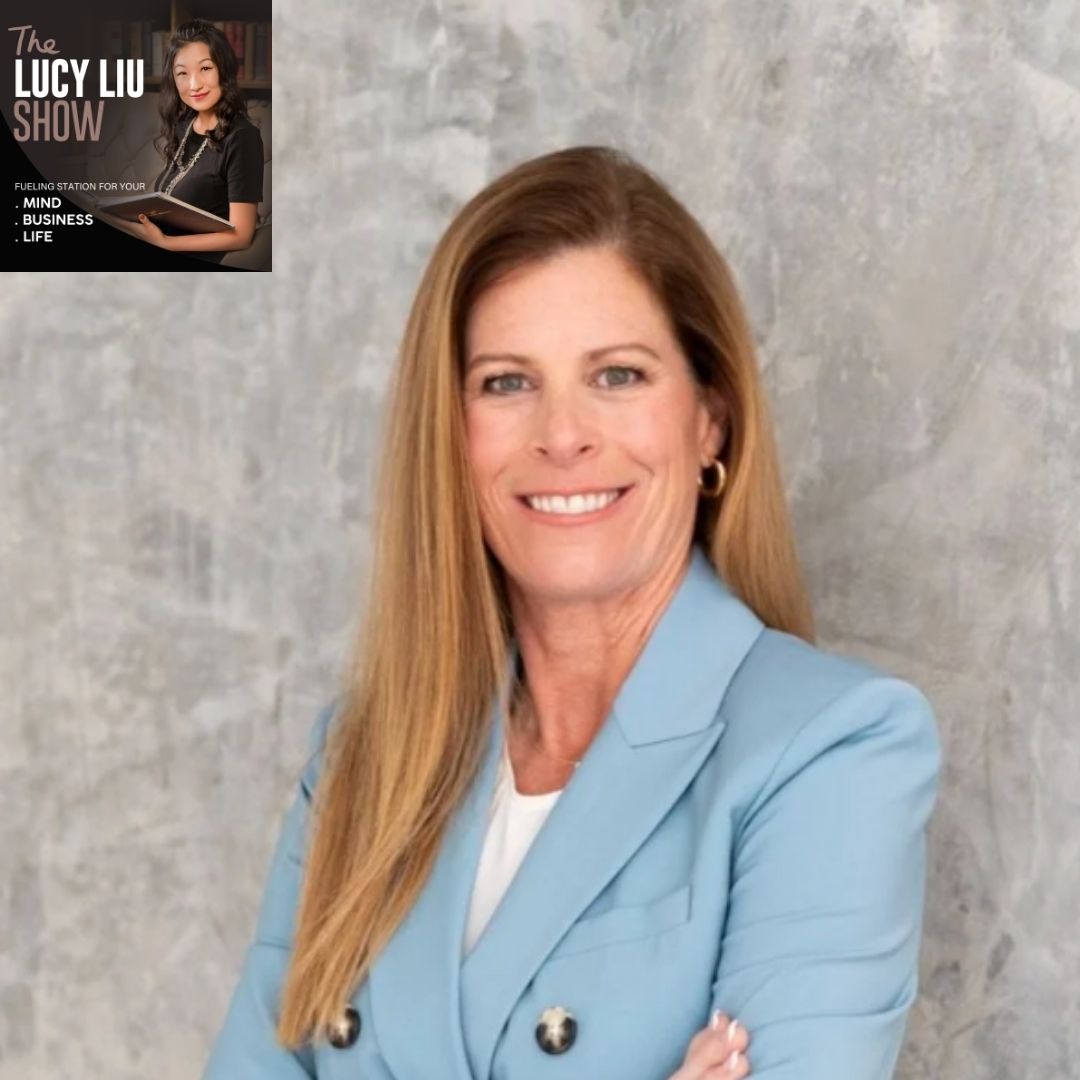
Today we are here to dive deep into the realities of balancing professional success with personal fulfillment with my guest growth strategist, leadership advocate, Tedx and keynote speaker Chantell Preston.

From founding, scaling, and exiting several ventures to overseeing multimillion-dollar facilities to serving on multiple boards, Chantell has made it her mission to advocate for authenticity among women leading in the workforce. She has won many awards for her leadership work and has been featured in numerous news outlets such as nbc, abc, fox, you name it. 

LISTEN TO THE PODCAST

WATCH THE EPISODE

287. Is There Work Life Balance in Life? with Chantell Preston

Connect with Chantell Preston

https://www.chantellpreston.com


FULL EPISODE TRANSCRIPT

Hello, hello, beautiful souls. Today, we’re here to dive into the realities of balancing professional success with personal fulfillment with my guest, world strategist, leadership advocate, TEDx and keynote speaker, Chantal Preston. From founding, scaling, and exiting several ventures to overseeing multimillion dollar facilities to serving on multiple boards, Chantal has made it her mission to advocate for authenticity among women leading in the workforce.

She has won many awards for her leadership work and has been featured in numerous news outlets such as NBC, ABC Fox, you name it. I am so honored to have her with me today. Welcome to the show, Chantal.

Thank you, Lucy. Thank you for having me. All right, I’m gonna go straight into what I really am passionate about.

And I want you to debunk some myth for women listening. What misconceptions do you think most high achievers have about work-life balance?

Well, first of all, to be honest, I don’t think work-life balance even exists. I think you have to look at it as how can I achieve a work-life integration? I think in the old days, we used to say, okay, leave it at the door, whether it’s work, whether it’s home, leave it at the door.

And we just realized that that just doesn’t happen. Especially as women, we’ve got 900 things going on. And so how do we integrate the two together to make sure A, we keep our sanity, but also we’re productive in both aspects.

So I try to avoid using the word balance. It’s more like how can we integrate the two together to really be successful?

I love your answer because I feel the same way. I don’t feel like there’s that equilibrium, that magic spot, but we’re integrating and we’re choosing our priorities.

That’s right. And sometimes it’s 80% one way or the other. And I think that there’s key components that we as women and entrepreneurs need to do to really control our time and make sure that, again, you said it a minute ago, what are our priorities, both at home, but also in the workplace?

Yes, and many women chase success, but end up feeling empty. What does true success mean to you now compared to earlier in your career?

Oh gosh, I love this question because earlier in my career, it was all about success was money and title. That was it. That’s how I grew up.

That’s what I thought it had to be. And to be honest, when I reached what I consider the pinnacle of my career, I felt so alone because I had reached it and I was like, now what? And so I didn’t never step back to determine what does success mean to me?

As kids, we’re society, our parents, everyone around us tells us who we should be. And so we thrive of trying to get that. But then we reach a certain point in our life and we’re like, wait a minute, what’s the success mean to me?

And so earlier in my life, it was all about money and career or money and title. Now it’s really about what brings me positive energy? What brings me purpose?

I wanna surround myself with people that I enjoy being with. Now, again, there’s a balance to that because you can’t always be around everyone that you love every day, all day, especially at work. But how can I have a mindset around happiness, optimism, and also confidence in myself of knowing what my purpose is and knowing how to get there?

I love one of the word you mentioned, by the way, pinnacle. I love this word. It just gives me the vibes to reach for higher goals.

Yet we forget on our way to climb this mountain towards that peak, we need to stop and enjoy the journey. It’s about the journey. It’s about the people that’s coming with us on this journey.

And even if you take a wrong turn, feel free to just still enjoy the scenery.

And to be honest, Lizzie, that was the one thing I didn’t do in the first half of my career. I was so focused on that outcome. It was like, I woke up one day and I was like, wait, what just happened to 25 years of my life?

Even though I had reached this in my career, I had this five-year-old child that I’m like, wait, what do you eat for lunch? And I hate to even admit that, but I was so engrossed in the outcome that I didn’t really enjoy the journey. I didn’t realize how important connection was, relationships, I never networked, why?

Because I didn’t think I needed to. So all of the things that I learned by kind of mistakes are things that I changed in the second half or the second phase of life with my other companies of how can I be a better leader? How can I be more engaging and more relatable?

Because those were the things I weren’t. I was very standoffish, my way or no way, kind of like a little dictator. And now it’s like, wait a minute, I’m gonna be who I am and that’s be compassionate and care about people as a whole and who they are.

And really I’ve seen just the productivity, the enjoyment, everything with not just myself, but my staff just twofold. And so I think that that’s important that we realize, utilize the innate qualities that we have as a women to really be better leaders.

And I think sometimes we forget that. So what exactly, what inner shifts or mindset changes that helped you the most to start prioritizing your life and finding joy in both your personal and workplace, but without losing your ambition?

I think it was really sitting down and thinking about where am I, what’s the season that I’m in? What right now is happening? I call it the win strategy.

What’s important now? Where are my kids? What age are they at?

Where are they? Do they need me more now than they will later? I mean, you really have to step back and say, where is the season of my life, am I?

And I never did that originally, but now as I really evaluate opportunities that come around as to how does this fit into where I am now and the goals that I’m trying to achieve? And I think sometimes we forget, we set long-term goals, but we forget to set short-term goals in regards to, three, five years is great. We don’t know what’s gonna happen in the next three to five years.

I think we’ve learned that recently, but what’s the next six months, the next three months? What do I need to do right now in the season that I’m in to make sure that I’m reaching the goals in both aspects of my life?

Yes, I love everything you just said because we gotta honor every season of our life. And I think for women, that is to really feel you are enough in this season. And I always say I define enough, quote unquote, as a decision.

How do you personally define enough? Enough work, enough rest, enough achievement in life?

You know, for all of us type A-ers, that’s a hard one. I’m not gonna lie. You know, it’s really about what’s enough to me is where I feel at peace.

You know, we live in such a fast-paced world. I always, and I had to do this recently, just full disclosure, sometimes we just busy. We’re busy, busy, busy, because we feel like that’s productivity.

And I had to sit back and go, wait, am I busy to be busy or am I busy because I’m being intentional with my time and I’m achieving the goals that I’ve established? And so I think that the mindset of being very intentional and not worrying about, you know, saying no to things, especially when they don’t reach your goals and objectives, you know, and having self-compassion for me and also taking time for me of having that space to maybe it’s 30 minutes, maybe it’s 10 minutes of just sitting back and saying, okay, let’s think about where I am today. Where do I wanna be?

And really being intentional with my time and my calendar.

And while you are working on your goals, what boundaries or habits were hardest for you to implement?

Well, I think that the biggest one for me was saying no. I love to help people. So people would ask me to do, I’d be, yes, shiny penny, yes.

And then I would get home and be like, oh my gosh, why did I do that? I don’t have the time or the capacity to do this or the desire, frankly. So I had to teach myself certain techniques of when someone asked me to do something, I have to say, let me check my calendar and it gives me an opportunity to stop and really think about, do I have time to do this?

Do I wanna do this? Does it meet my goals? And also reframing my own mindset is that me saying no is not a negative, it’s an opportunity for someone else, someone else that really wants to do it.

And so that’s really been my biggest challenge over the last, let’s just say 50 some years is really saying no and not feeling guilty about it. And I think that mindset shift really helped me be who I am and be true to me.

Oh, wow. How do you manage to really manage the guilt that may come from saying no afterward to opportunities?

I think it’s really about, the guilt is gonna be there sometimes. How do I manage, let me say, how do I manage the guilt? Guilt means I care, I care about people.

I do give myself some self-compassion, but I also realized that saying yes to something is saying no to something else. And so again, it’s like I manage that guilt by realizing if I say yes to something, maybe it’s taking away time from my kids. I’m very intentional with my kids.

I’m not a parent that wants to drive them to soccer practice or basketball, but I’ll be at every game. I look at quality over quantity. And when I’m with my kids or I’m with someone else, one of my employees, I am very there.

Emotionally, I’m listening, I’m listening to hear them. And I think that that’s important and something that we take for granted. We think we have to be everywhere to everyone, but it’s really, I guess I get past the guilt by saying I am emotionally available when I am present with people.

And I think that’s what helps me give myself self-compassion.

Self-compassion, I love that. That’s beautifully said. What are some other daily or weekly practices that helped you reconnect with yourself outside of work, outside of your professional title?

So I started doing this about five, six years ago is I set a time in my week, every week, to spend time with myself. And we seem to always put everybody else before ourselves, right? And so it’s like, we don’t cancel meetings with clients.

We don’t cancel meetings with employees. Why am I canceling meetings with myself? Myself is the most important.

So most mornings I have 30 to 45 minutes where I either go for a walk, it could be exercise, which stimulates me in so many different ways. It could be finishing emails. It could just be doing my things, but giving me time for me to see and prepare for the day or prepare for the week or something that’s coming up.

I just set on my calendar a meeting with myself and I know that that’s probably the most important meeting of the week.

Yes, so that’s how you recharge. I recharge with my walks as well. I recharge with my non-negotiable facials and spa appointments.

They’re non-negotiable, right?

But we think that why should we put ourselves last? I mean, I think we grew up like that. I would say yes to everything and put everybody else before us, but the reality is, is the better we are mentally and physically, the better we’re gonna be for everyone else.

And I just had to learn that over the years and now that’s a critical component to my life.

Yes, I agree with you wholeheartedly. How about community? What role does community play in maintaining your balance?

I think community is huge.

I’m a big one for build your board of directors, right? And this is on the work side, build your board of directors. And these are not yes people.

These are people that challenge you. These are people that are there for you. I’m a huge proponent for making sure you have that community both at work and at home.

Like I tell people all the time, it takes a village to raise a family. So we need help and it’s okay to ask for help. I think a lot of women, and I was like this for many, many years.

And finally, I just, I threw in the white towel, you know, hey, look, I need help. We can’t, you know, have these huge careers and children and be able to do it all. So build that community around you at work like-minded people.

And sometimes they’re hard to find. I’ve realized throughout the years, not everybody wants you to be successful. And sometimes it’s people that are very close to you.

So make sure you’re surrounding yourself with people that are like-minded, that have the same values that you do, but also challenge you and push you to be better. And I think that’s incredibly important in your career. On the personal side, same thing.

I mean, I wanna be a better parent every day. I wanna be a better spouse. So surround yourself with the right people and that community will become, you are who you hang out with.

And I tell my kids that all the time. And I think it’s important for us as adults to remember that too.

Yes, I can’t agree more. I am so grateful for my family to be able to step in and help when I need to, but I’m not afraid to ask for help. Exactly.

Awesome, so for the women who is chasing their next milestone, what is one question you wish more people asked themselves about before they do the chasing?

Are you prepared mentally? It’s not all unicorns and rainbows. And I think it’s important to be realistic with your expectations.

I think sometimes we get crazy with our expectations and it’s like, hey, you don’t have to eat the elephant all at once. Take a bite at a time. But also we have a tendency to make sure we want everything to be perfect before we start.

And I tell women all the time, start before you’re ready. Start talking to people, start networking. You never know who you’re gonna meet and how they can help you down the line.

Build those relationships. I wished more people would have asked me, what are you doing? How are you doing it?

But now I realize people don’t know what to ask. So it’s okay to ask for help or want to say, hey, I’d love to get together. People want to help you.

It’s just you have to be the one to initiate that. That is so true. Like I give my clients access in between coaching sessions by email and only a few of the rock stars would actually do it often in between to ask me questions.

And I get so excited when I receive an email and they ask me some questions.

Exactly. And women, we want to start opening the doors for each other. Let’s help each other continue to be successful.

I’ve been in rooms with women, high powered women. And it’s funny to me because they’ll talk about everything except for their business. And I’ll be like, we’re not talking about our families.

We’re not gonna talk about our hobbies. We’re gonna talk about asks. We’re gonna talk about how can I support you?

Call to action. How can we help each other? And I think that it’s very important to learn how to make that ask of people.

Because again, I was very hesitant. I’ll do it all myself. I don’t want to bother people.

People want to help you. It’s just you have to be secure enough to ask those questions. And again, you can be your own advocate.

You need to be your own advocate, plain and simple.

Yes. And I think as we age, we continue to redefine success. We continue to redefine our ambition in a way that honors more of both our achievement and well-being.

Would you agree?

Absolutely. And I do think you get to a certain age and you’re like, wait, why am I doing this for everyone else? And my kids ask me all the time, why are you working?

We want you to stay with us. One day I finally sat him down and said, hey guys, this is why I’m doing this. I love to work.

And I love having a purpose. And I want to help other women because I want you guys to grow up. I have three daughters.

And never question your ability and always have someone that’s there that’s willing to help you. And it’s made a huge difference in our family because now they understand and I brought them into that world. So now they’re excited when they hear that I’m going to meet somebody or I’m helping someone.

I think it’s important for us to do that and be those good role models.

I’m feeling like everything you just said because I have a daughter and she dresses me when I go to conferences, she gets so excited that mama’s going out looking all pretty and powerful. And I want her to be the exact same way when she grows up. So we are setting an example of what we would like to see in the world.

I love the fact that your daughter does that because my daughters are my designers. And so thank you for making me not feel bad about that because they’re the ones always picking out my outfits.

Exactly.

I’m not the only one. So yeah, and they love it.

And I think that’s just so important. Oh, so much truth. I love it.

Okay, so before I ask you for your favorite quote, what’s one truth about success and fulfillment you wish every listener learned sooner?

I think it’s that success isn’t always what you think it will be at the end of the day. You always have to be looking around at the opportunities because sometimes what we envision as success, if we have such an eye on that, we miss out on other things. So I think that you have to keep an open mind as you’re going down this journey and path to make sure that you’re not solely focused on one thing, which again, I gotta be careful saying that because you obviously wanna be focused on something, but make sure that you don’t forget about the surroundings and the journey and what could come about during that process.

Mm, yes. Be open to open some new doors. That’s exactly right.

Awesome, okay. So what is your favorite quote?

Oh my gosh, I have so many. I would have to say probably, my favorite quote is living the dream. I mean, I love waking up every day.

I love working and I want everyone else to be the same way. I want everyone to be living that dream. It’s not really a quote, it’s more of a saying, I guess, but that’s something that helps me every day.

And I think it helps my mindset stay very positive even in negative things. So as long as I’m living that dream and I realize that I woke up breathing, it’s a great day. Just that gratitude really helps me.

So anything pertaining to gratitude, I think really helps me and that’s probably what I would stick with.

Beautifully said. Yes, all the yeses. And if you’ve enjoyed this episode, connect with Chantel.

Where is the best place for our listeners to go?

LinkedIn, Instagram, Chantell Preston. I also have a podcast as well, Get Real Get Results. So feel free to reach out anyway.

Thank you. 

Thanks, Lucy.

Learn more about Lucy's coaching:

286. Word of the Year – Expand

Welcome back to the podcast.

To best set the tone of each year, I always choose a word or theme for that year.

And I want to share my word of the year for 2026, and that word is to expand.

LISTEN TO THE PODCAST

WATCH THE EPISODE

Not hustle, not rushing, but to expand. If you hear this word, and it puts a smile on you or a sparkle in you to expand your life in 2026, this episode is for you. 

I love choosing the word of the year because it gives direction without pressure.

This word isn’t your checklist.

It’s an invitation for your own alignment and becoming.

For me, expand means expanding my mindset, opening myself to more opportunities, growing my wisdom, and intentionally expanding all areas of my life without any force.

Because expanding doesn’t need to be loud.

It doesn’t have to be aggressive, and it definitely doesn’t have to come from proving anything. 

So let me start by sharing what expand does not mean.

It does not mean doing more just to feel productive.

It does not mean saying yes to everything.

And it does not mean growing faster that your nervous system cannot handle and burn out.

Because that’s what expanding does. Expansion without grounding leads to burnout. So real expansion actually feels very spacious.

It feels like breathing deeper, not running faster.

So the first place I’m going to focus my expansion in 2026 is my mindset. Because before your life expands, your thinking has to expand first.

Mindset expansion looks like asking yourself questions like,

  • what else might be possible that I have not considered yet?
  • Where am I holding on to old limiting beliefs that no longer fits where I am now?
  • What if this doesn’t have to be as hard as I think it does? 
 
  • Because so often we are overthinking.
  • Expansion isn’t about forcing yourself to believe harder.
  • It’s actually about allowing new perspectives to coexist with the old ones.

Confidence grows when your mind learns to hold more than one outcome at the same time.

Another way I’m leaning into expansion this year is being more open to opportunities, especially the kind that doesn’t arrive looking perfect or better yet, it did not come planned.

So often we miss opportunities not because they’re not there, but because they don’t match the picture we had in our heads.

We didn’t expect it to come, but be ready for them.

And expansion asks questions like,

  • can I be more curious instead of controlling?
  • Can I listen more before I decide?
  • Can I trust myself even more to adapt if things change?
  • And for high achieving women, especially expansion often means loosening the grip, not tightening it more.
  • Trusting that you are capable even when the path unfolds in real time.

So in 2026, I’m also choosing to expand my wisdom, not just my results.

And wisdom comes from reflection, from integration, from allowing the lessons to fully land. You don’t need more information.

You need more space to process what you already know.

Expansion happens when you pause long enough to ask,

  • what did this season teach me?
  • What am I ready to carry forward?
  • And what am I ready to release?

I understand that expansion doesn’t have to be dramatic to be meaningful. 

It can show up as:

  • health that feels more sustainable,
  • relationships that feel more honest,
  • work that feels more aligned,
  • rest that feels more deserved.

You are allowed to expand without justifying anything to anyone without explanations.

And remember that growth doesn’t always announce itself. Sometimes it just whispers.

And now I want to invite you into a short reflection.

So if you are able to pause and take a breath with me, inhale slowly, and exhale fully. A

sk yourself, without judgment,

  • where am I being invited to expand this year?
  • Not where you think you should grow.
  • Not where others expect you to grow. 
  • But where do you feel a quiet pull to grow into?
  • Maybe it’s your mindset.
  • Maybe it’s your boundaries.
  • Maybe it’s your confidence.
  • Maybe it’s your willingness to be seen. 
  • Let expansion feel gentle.
  • Let it feel intentional.
  • Let it feel like you. 
  •  
  • And as you move through the rest of this year, remember that expansion isn’t about becoming someone new.
 

It’s about allowing more of who you already are to take up space. 

Thank you for being here.

Thank you for growing with me.

And if you just can’t seem to decide on the direction of your 2026 by any chance, feel free to book a call with me and I’ll set you up with so much clarity with just a 30 minute talk.

So until next time, keep choosing growth that feels like home, expand and let me know what is your word of the year. 


Learn more about Lucy's coaching:

Subscribe To Receive Instant Download

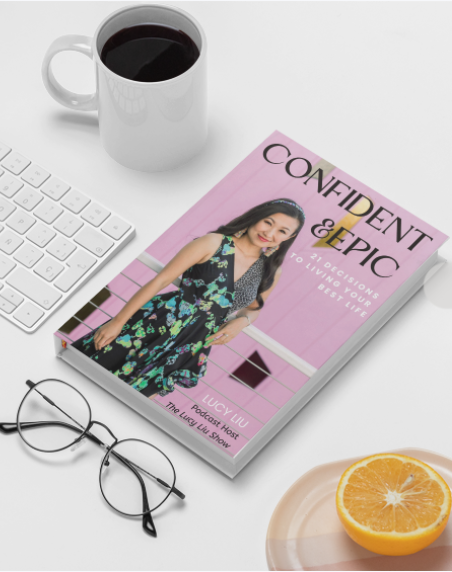
First half of Lucy's book

Confident & Epic:

21 Decisions To Living Your Best Life


Plus a Bonus Ebook:

Self Development & Motivation


No spam, pinky promise.  

Success! Thank you & have a blessed day!

Pin It on Pinterest